
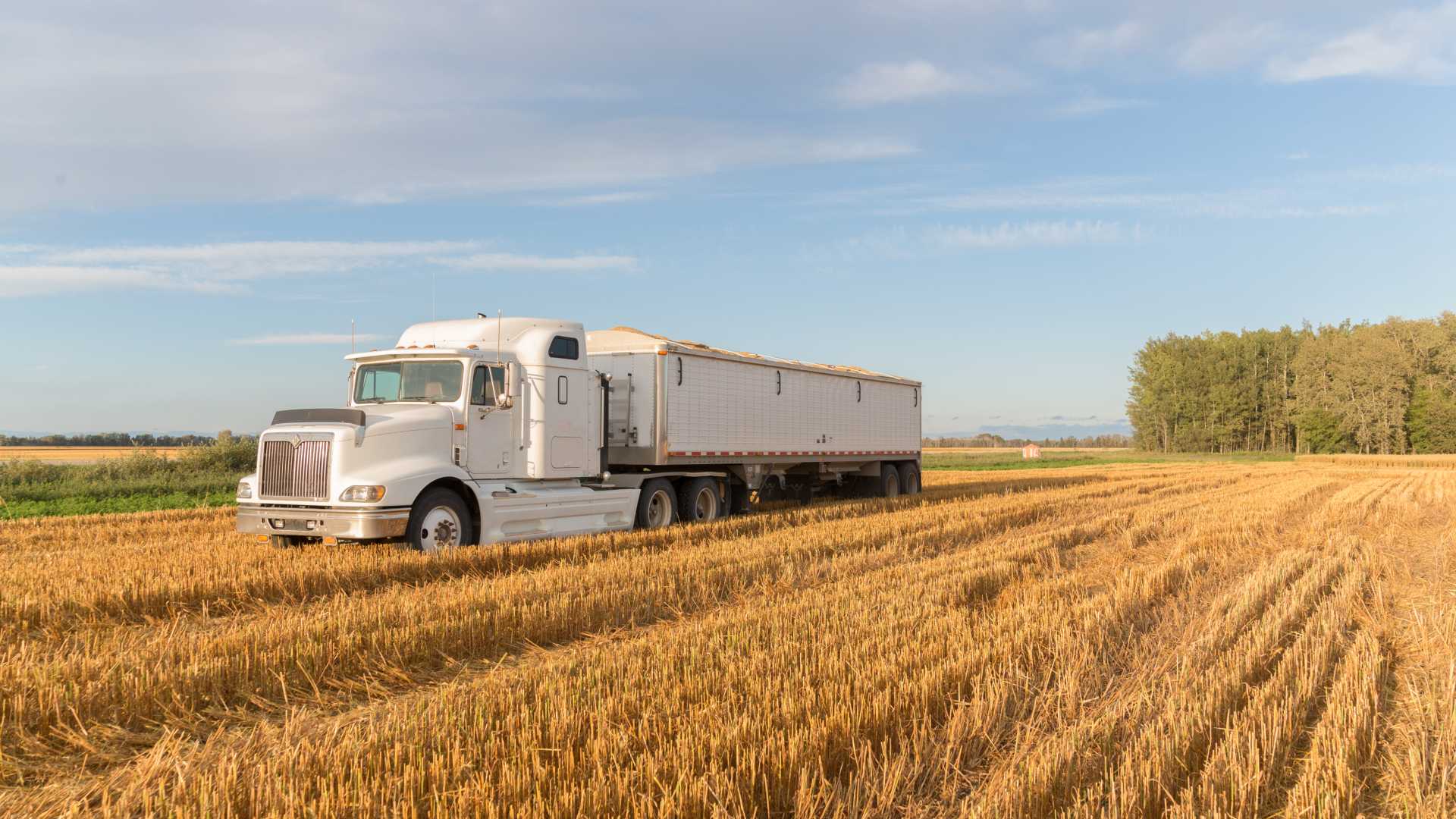
With the ever-continuing rise in online shopping and e-commerce comes the demand for the efficient production and delivery of goods across various industries, specifically trucking and farming. In the trucking industry, this demand increases the workload and number of drivers necessary to haul and deliver goods across the country, while farmers feel the pressure of growing enough fresh produce in a timely manner.
Though these changes affect the trucking and farming worlds differently, an effective solution for keeping up with these standards is building a skilled workforce. By implementing workforce programs, safety and efficiency can be increased in both industries. In this article, we’ll explore how fostering a skilled workforce can boost long-term growth in the trucking and farming industries.
Advantages of Truck Driver Training Programs
During the process of obtaining a Commercial Driver’s License (CDL) in the United States, drivers are required to complete paid CDL training. CDL programs typically include:
- Cargo securement training: Proper securement is essential for drivers hauling heavy cargo across long distances. CDL training courses explain how to select the right cargo control equipment and how to use common load securement tools.
- Truck driver safety training: As a truck driver, you have the responsibility of driving a large vehicle safely while surrounded by other motorists. CDL safety training teaches drivers all the necessary safety precautions to take before, during, and after trips.
While there are many more aspects of CDL training besides the ones listed above, cargo securement and driver safety training are some of the most important for building a skilled workforce in the trucking industry. Widespread specialized knowledge in these areas ensures timely and efficient hauls across the country, allowing companies to meet the continually rising standards set by e-commerce advancements.
The Importance of Training the Farming Workforce
Similar to truck drivers, farmers are also responsible for efficiently operating large machinery to do their jobs. Therefore, thorough training is also crucial, specifically in these areas:
- Extensive equipment knowledge: Among the heavy-duty vehicles and machinery used by farmers on a regular basis are tractors, balers, harvesters, excavators and more. If not operated correctly, this equipment can cause severe injuries or interrupt the process of growing high-quality produce.
- General best practices: As with any job, it’s important to know the general best practices and how to effectively move about the work area when farming. Without this basic knowledge, one may not know how to properly create safe pathways, protect soil, or perform other tasks that contribute to the success of the farming industry.
- Seasonal task management: Agricultural workers must learn how to adapt to seasonal shifts and weather changes that affect the growth of crops. By teaching farmers how to plan for the change in seasons and manage their crops and animals, training leaders can work closer toward building a skilled workforce.
Real-World Training Results
While it’s clear that workforce training programs teach all the necessary skills and information to work in the trucking and farming industries, employees also need to be trained in handling real-world scenarios. Hands-on, scenario-based training significantly improves job readiness, team productivity, and worker confidence, especially among new hires.
- Job readiness: With real-world training, truckers and farmers can hit the ground running their first day on the job. As trucking and farming operations often run on tight schedules, minimizing the risk of mistakes from the jump is a great way to meet these deadlines.
- Team productivity: By practicing proper cargo securement techniques, new truck drivers are better able to avoid delays in shipments or damage to the items they’re hauling. Similarly, new farmers who are already well-versed in handling their machinery are less likely to cause accidents.
- Worker confidence: An important factor when building a skilled workforce is encouraging confidence among workers. When farmers and truck drivers are confident in their abilities to perform rigorous and often complex tasks, overall productivity and morale are boosted immensely.
Long-Term Advantages of Workforce Training
Implementing consistent workforce training within the trucking and farming industries not only improves job efficiency, but it also has long-term advantages:
- Less worker turnover: Truck drivers and farmers who feel secure in their jobs and confident in their respective skills are more likely to stay in their profession, which decreases employee turnover.
- Increased industry trust: By leaving less room for errors and unsafe practices, workforce training also increases industry trust that is fostered by consistently reliable performance in both trucking and farming.
- Overall growth and performance: With increased job satisfaction and trust in both farmers and truck drivers comes enhanced industry growth and performance, enhancing longevity and payoff.
Building a Skilled Workforce For Growth and Success
The trucking and farming industries are vital to the economy of the United States, as they supply Americans with the food and goods they need to live. Therefore, the individuals who uphold these industries require extensive training and hands-on experience to guarantee the safety, efficiency, and overall success of themselves and their peers. By implementing CDL courses for truck drivers and in-depth training on farming equipment and seasonal tasks, these industries can continue to grow and allow those who rely on them to thrive.


