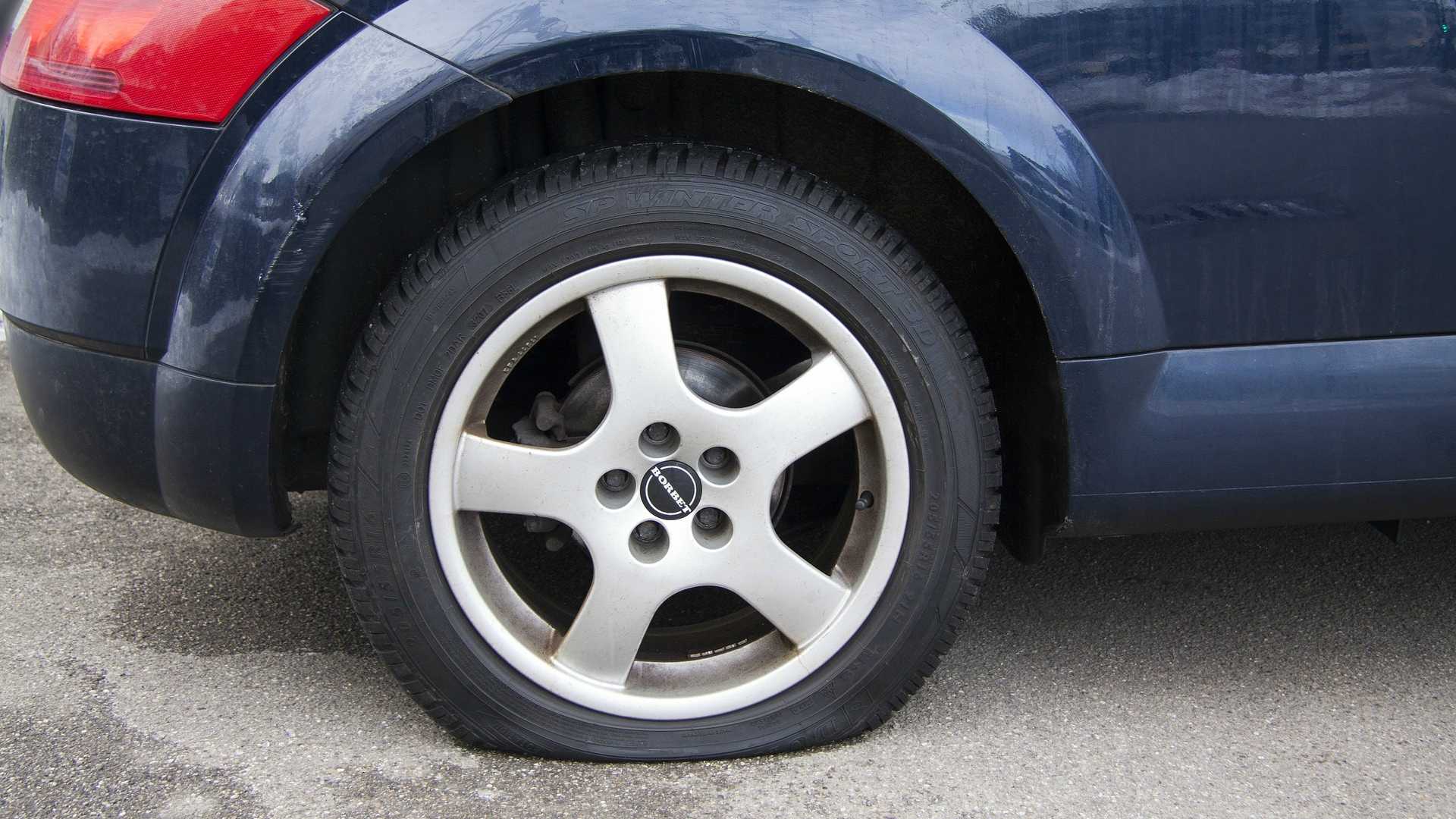
Victoria wanted a new car. Since she had previously bought three cars from the same dealership, and even though she had recently moved several hours away, she chose to drive the extra distance to make yet another annual new car purchase. Her credit was good, and the sale went off without a hitch. After a few hours, she drove off the lot in a brand-new, year-end model.
Two weeks later, the car brakes failed, the engine lights all came on and the car stalled – all in the middle of traffic. To make matters worse, she narrowly missed being hit by an 18-wheeler, and Victoria’s 75-year-old mother (who was in poor health), who was also in the car, was shaken by the near miss.
She immediately called for roadside assistance, which arrived after a two-hour wait, and towed the car to the nearest dealership (which was over an hour and a half away from her home). Needless to say, Victoria was less than pleased that her car, with fewer than 1,000 miles on it, not only almost got them both killed but had left them stranded on the side of the road.
The dealers at the dealership that received her car advised her that the car was under warranty. They told her to leave the car and return a week later to retrieve it. She told them that she wanted the dealership to replace the car, and they responded that most dealerships would simply repair it and not replace it. They further stated that upon inspection, they were not able to locate the issue. They went so far as to question her version of events, until she provided photos taken with her cell phone of the warning lights lit up on the dash. This made her even angrier, and she called the original dealership, demanding to speak to the manager. Unfortunately, the sales manager was out, and her call was not returned to the next day.
The preceding scenario is not only real, but it also shows how one weak link or product failure can kill a previously profitable, long-term sales relationship. A 2011 survey, for example, demonstrated that customers are overwhelmingly responsive to good service, with seven out of 10 respondents stating they would be willing to pay an average of 13 percent more for a positive customer experience. U.S. companies lose as much as $62 billion each year due to poor customer service.
While it can bring an abrupt end to the sales conversation, a flawed product or even poor service does not necessarily mean the end of future sales. Of course, the best solution to poor quality is always to prevent it beforehand, rather than trying to fix it later. If and when it does happen, though, all is not lost. The same research study also concluded that as many as 70 percent of all customers will continue to do business with a given company following an issue, provided the issue is resolved promptly.
It may not work every time, but a thoughtful retention strategy can rebuild customer and brand loyalty when issues arise. This kind of responsiveness is not haphazard and must permeate the company culture and mindset. If left unchecked, product and performance issues tend to create a downward spiral that drains profitability.
Poor service or product issues can compromise and damage your brand, leading to a sales slump. Even if you spend more to market the product, the issue will only grow, unless you forcefully course-correct the way you respond to inevitable failures. This means that you need to anticipate, plan and respond in a way that makes the customer feel both heard and valued.
Back to the Broken New Car
After arriving at the dealership the next day, the sales manager was informed of the issue. He promptly called Victoria and offered to replace the car but said that she would have to drive to the dealership (a trip of several hours) to pick up her replacement. Either someone would have to drive her there and then follow her back, or she would need to rent a car and then figure out where she could return it. In the end, the sales manager decided to have two members of his team drive out with an identical replacement, bringing the necessary paperwork and contract with them.
This decision was outside of the norm, but given the lifetime value of the customer, the specifics of the problem and the need to rebuild trust, the manager chose to step up with demonstrably superior service. The manager also made sure to include a few extras, such as adding window shading at no charge. The issue was resolved within a week, and Victoria intends to purchase her next vehicle from the same dealership.
The takeaway is threefold:
- Develop a responsive plan for restoring client faith.
- Be proactive in rebuilding brand trust.
- Listen and respond appropriately based on the situation and client needs.
Instead of simply trying to save face, taking responsibility for problems and working toward rebuilding brand trust can save not just the sale but also the lifetime value of the sales relationship.