
Key Takeaways
- Human + AI talent models require L&D to redefine skills, workflows and learning around where human judgment creates the most value.
- L&D can turn AI activity into measurable business impact by embedding learning, feedback and performance support into AI-enabled workflows.
- Measuring AI impact means moving beyond AI adoption and literacy metrics to track outcomes such as faster proficiency, fewer errors and improved performance.
Artificial intelligence (AI) is changing how work gets done and what organizations expect from employees. For years, many roles depended on people doing repeatable work, such as research, analysis, documentation and execution. People learned how problems are framed, decisions are made and value is created.
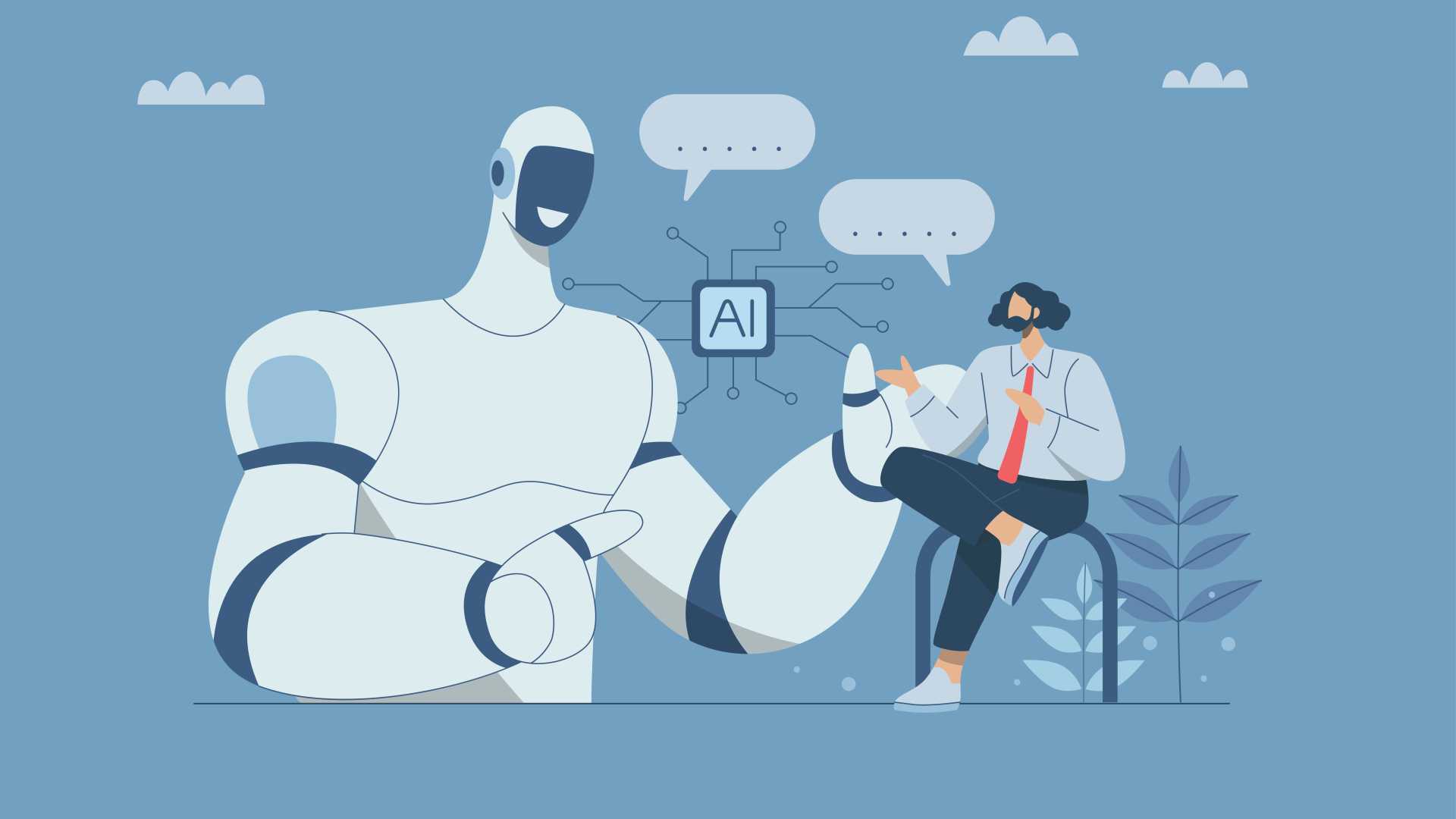
Today, AI can manage much of that execution through analyzing, summarizing, and driving decisions. The work that once built foundational skills for employees is increasingly done by machines, which means that talent models are being rewritten. The new value comes from how well people can identify problems, frame clear prompts, understand and approve AI-generated output, and know when human oversight is needed.
Research from Wipro and HFS shows that 90% of leaders say they expect Human + AI teams to become standard within the next three years, and more than half expect that shift within the next 12 months. However, even with organizations that are already operating in hybrid mode, only about 1 in 4 have an operating model to guide how people and AI work together. Most companies are investing in AI faster than they can prove the benefits received, and only a small share of executives feel confident that their AI activity reflects real business value.
Companies need to ask, “How do we redesign work, skills, and learning so that people and AI can create value together?” That is where learning and development (L&D) comes in.

From Activity to Impact
AI activity is everything the organization is doing with AI. Leaders can point to pilots, tools and dashboards to prove that something is happening. However, they do not prove that performance, customer experience or risk have improved in a meaningful way.
AI impact is about what has improved and what tangible benefits are received. L&D can help close that gap by shaping how people learn, how managers lead and how accountability is shared in Human + AI teams.
A New Talent Model Needs a New Learning Model
Organizations are examining where human value sits. What work should AI execute? Where is human judgment required? How will employees build capability over time? Who is accountable when something goes wrong?
For human resources and business leaders, this is a question of strategic talent. For L&D leaders, it is a learning design question. Employees now need structured guidelines, real-time feedback and earlier involvement in decision-making. They must understand the context behind the work, the risks involved and the criteria used to judge whether an AI-supported output is useful, accurate and responsible. L&D also needs to understand how workflows are changing. While AI can provide faster feedback and identify patterns, it cannot make judgments on its own.
The role of managers is more important than ever as it shifts from reviewing content to helping teams interpret AI-generated insights, question AI-generated assumptions and apply business context. In this Human + AI environment, L&D is a core part of how the talent model and operating model evolve.
How L&D Can Turn AI Activity Into AI Impact
To move from theory to practice, L&D leaders should follow a simple playbook that aligns learning strategy with Human + AI talent models.
Step 1: Define where human value sits in AI-enabled work.
L&D should start with one or two business‑critical workflows. For each workflow, bring together a business leader, a frontline manager, a process owner and someone from L&D. Go through the workflow from end to end and note what happens today: who is involved, what tools are used and what decisions are made. This gives a clear picture of the current “human‑only” process.
Then add the AI elements that already exist or are planned and mark where AI performs tasks, where humans perform tasks and where both are involved. For example, AI might generate a draft or surface recommendations, while humans choose the final option, manage exceptions and speak to customers.
Next, ask where human judgment clearly adds value. Where do people need to understand context, weigh tradeoffs or identify when something does not look right? These points show where human value sits when AI becomes part of the execution layer, and they should become priorities for learning and practice.
Step 2: Redesign the skill architecture for the Human + AI era.
Using the workflow map from Step 1, L&D can define skills that show how people and AI work together. For example, employees need to identify the right business problem before using AI, write clear prompts that provide enough context and validate AI‑generated outputs against real‑world data and rules. They also need judgment skills, such as knowing when an AI suggestion feels incomplete or when more information is needed.
In customer support, this might mean reading an AI‑generated response and adjusting tone and content to match the customer’s situation. In a compliance process, it might mean using AI to flag potential issues, then applying human knowledge of regulations to decide which ones truly matter. By turning examples like these into clear skill statements and weaving them into curricula, L&D helps ensure training reflects where value is now created in Human + AI work.
Step 3: Build learning into the flow of work.
L&D can use AI tools to present prompts, suggest next steps, highlight similar cases and provide feedback on decisions. For example, when an employee uses AI to draft a recommendation, they can also receive guidance on questions to ask, risks to consider and ways to check the outcome.
L&D can design short learning moments that appear while employees are working. AI tools can suggest prompts, propose next steps, incorporate similar past cases and provide feedback on decisions. One example is a contact center where an AI assistant drafts a reply to a customer’s complaint and highlights similar past cases and their outcomes. The agent reviews that draft, improves the tone, adds missing information and checks that the solution fits company policy. Over time, L&D can build simple guidance into this workflow, ensuring that each interaction becomes a chance to strengthen human judgment in partnership with AI.
Step 4: Clarify who learns, who leads and who owns.
In Human + AI teams, learning and ownership are shared. Young professionals need exposure to decision-making so that they can learn, and managers need to improve coaching skills. Leaders need to set clear directions, escalation paths and guardrails to ensure accountability. L&D can support each group with programs specifically designed for different levels of employee experience, while using training sessions as a safe space to ask questions and raise concerns.
Step 5: Measure AI impact, not just AI literacy.
To measure and understand impact, shift the focus from adoption and literacy to practical, observable impact.
After introducing AI‑supported onboarding and related training, L&D can track the impact of the training by asking specific questions: Has the new hire achieved proficiency faster? Do they need fewer coaching sessions and make fewer early mistakes? In risk or compliance workflows, L&D can measure whether AI‑supported checks and training helped lead to fewer errors or faster issue resolution. Asking these questions gives L&D a clear view of AI impact in their own numbers, instead of relying only on AI activity metrics or literacy scores
L&D as a Strategic Lever for AI
As AI becomes a core part of how work gets done, organizations will be judged by how clearly they can show the value the tools create. The enterprises that lead will be those that treat L&D as a central part of their AI strategy.
L&D can help define where human value sits, redesign skills and learning programs, prepare people for Human + AI teamwork, and measure the true impact of change. With a clear playbook, L&D can turn AI activity into AI impact and help the organization build a Human + AI workforce that learns, leads and owns outcomes together.


