As cool as technology is, there’s something undeniably isolating about pervasive automation, and it’s in the most mundane of settings — the grocery store — that the dichotomy strikes me. Like many, I usually opt for the self-checkout, confident that it’s not only faster but that I can scan more efficiently than any trained employee. That confidence, however, quickly dissolves. I find myself wrestling with plastic bags that refuse to separate and hunting for produce codes that feel like ancient, forgotten hieroglyphs. As I juggle my bagged items on the tiny, awkward platform, a familiar surge of frustration makes me question whether this so-called convenience saved me any time at all.
That question sparked a change. I’ve noticed myself increasingly avoiding the self-checkout lines, despite their promise of speed, and instead heading to the human cashier. Yes, it’s unsexy, and longer wait times are guaranteed when standing behind the mom with a mountain of groceries and two restless toddlers or the elderly gentleman sharing the detailed story of his son’s backyard BBQ. But I choose to wait. Why? It’s a simple reminder of our shared humanity in an otherwise transactional experience, serving as both a moment of connection and ultimately leading to a faster and more efficient process.
When the Barcode Fails: The Indispensable Human Cashier
We all know that self-checkout systems often struggle with unique produce, technical glitches or special cases, such as discounts that require a human cashier to step in and assist. Although many articles praise technology for saving time, money and resources, and artificial intelligence (AI) in particular is celebrated as a game-changer, we need to critically evaluate its limits. How effective is AI when tasks become complex, and what important role does it play in building genuine connections?
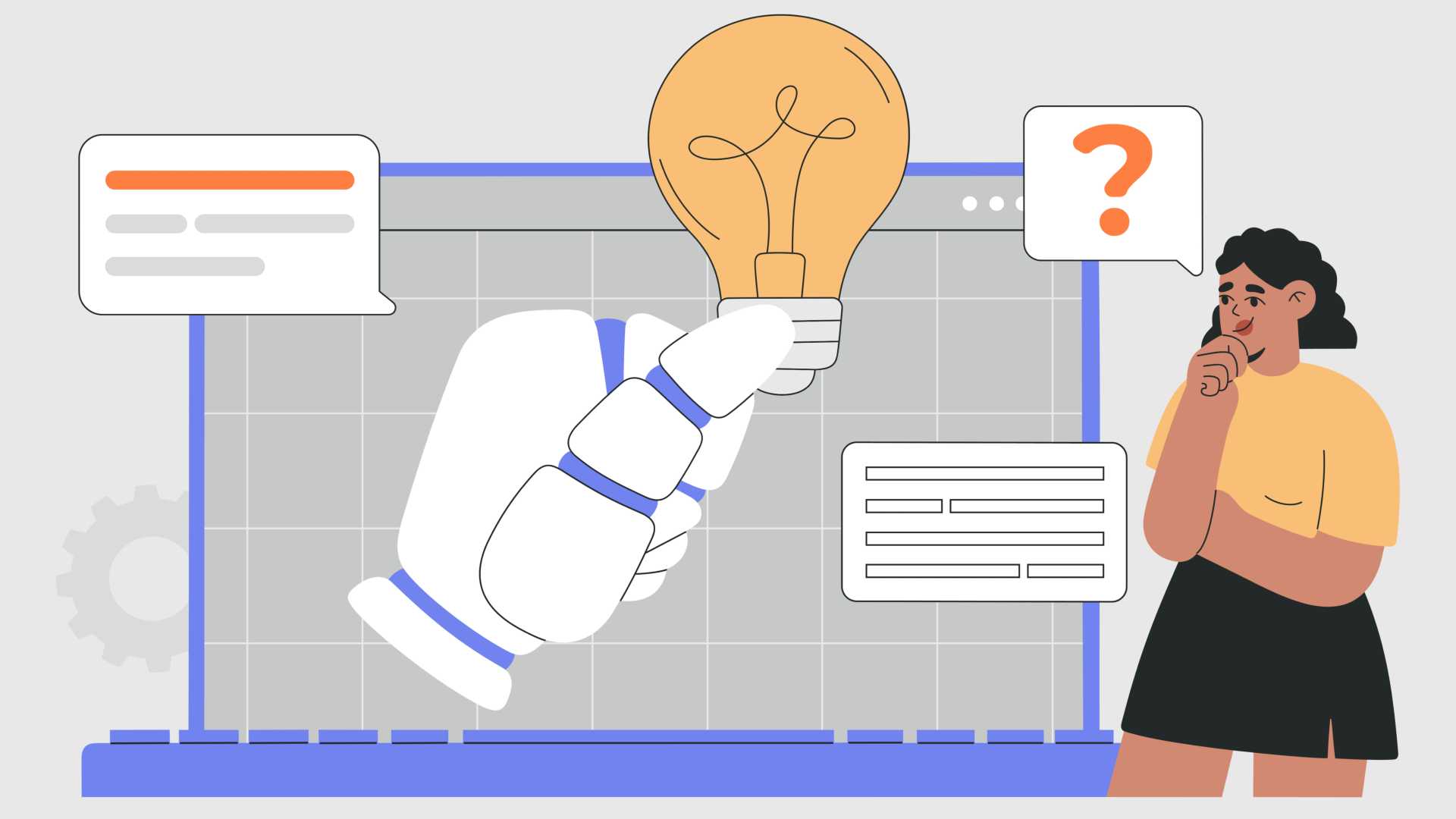
For learning and development (L&D), the promise of efficiency falls apart when facing the subtleties of learning needs. AI processes speed and data points — much like “scanned items” — but often misses the whole person, or the complexity of learners’ needs. The key question in the age of technology is finding the right balance between efficiency and connection. While technology can quickly deliver scenarios, FAQs and push-button responses, AI, at least for now, cannot fully replicate the power of a real story told with empathy and nuanced understanding. Stories help learners connect, reflect and engage on a deeply human level. They reveal moral complexities and personal perspectives that are impossible to convey through multiple-choice questions or algorithm-driven content. That’s why learners still attend in-person training even in our increasingly digital age.
Smart Shopping: AI-Powered, Human-Led
The answer, therefore, isn’t to resist AI, but to skillfully incorporate it. This strategic approach is best represented by a “human-in-the-loop (HITL) AI process,” where technology handles initial steps and human expertise refines the results. For example, AI can quickly analyze large amounts of core content to help shape training programs. Still, expert instructional designers then enhance, polish and ensure the learning experience is engaging and effective. Similarly, AI-powered tools can proactively examine content to identify elements that may not resonate culturally, allowing regional specialists to customize materials for local nuances before development starts.
Even in quality assurance (QA), AI can rapidly detect inconsistencies; however, QA specialists perform a final human review to guarantee the production of flawless training materials. This strategic approach makes sure that the apparent efficiency of AI is balanced by the human “cashier’s” attention to detail, cultural insight and quality control.
Prioritizing speed alone in course design, much like the perceived efficiency of a self-checkout line, risks overlooking the crucial human element and can lead to errors and frustration without the “cashier’s” attention. A one-size-fits-all approach fails to acknowledge the diverse needs of learners, which a human “cashier” would instinctively address. Effective instructional design recognizes that while AI-driven speed has value, the essential components are the time, attention and willingness to understand each learner’s point of view. By leveraging AI for routine tasks and data analysis, such as initial content distillation or cultural flagging, L&D professionals can focus on mentoring, providing personalized feedback, engaging in meaningful discussions and ensuring learners feel seen and understood.
Deep Discounts: The Illusion of Value
In an era when AI is becoming increasingly dominant, we must acknowledge its presence and recognize its potential benefits. However, we should also remember that effective learning requires slowing down and genuinely connecting with the material. We need to be strategic to ensure that L&D doesn’t simply turn into a transactional “self-checkout” experience, where efficiency is prioritized over important human elements like storytelling, personalized feedback and authentic connection. Instead, we should actively explore ways to leverage AI to support and enhance human interaction, not replace it.
As we move further into an era defined by AI, the challenge — and the opportunity — lies in preserving and prioritizing the unique human qualities that foster deep understanding, critical thinking and emotional intelligence. Only by valuing and integrating this irreplaceable human element can we unlock the full potential of learning in the AI age.