
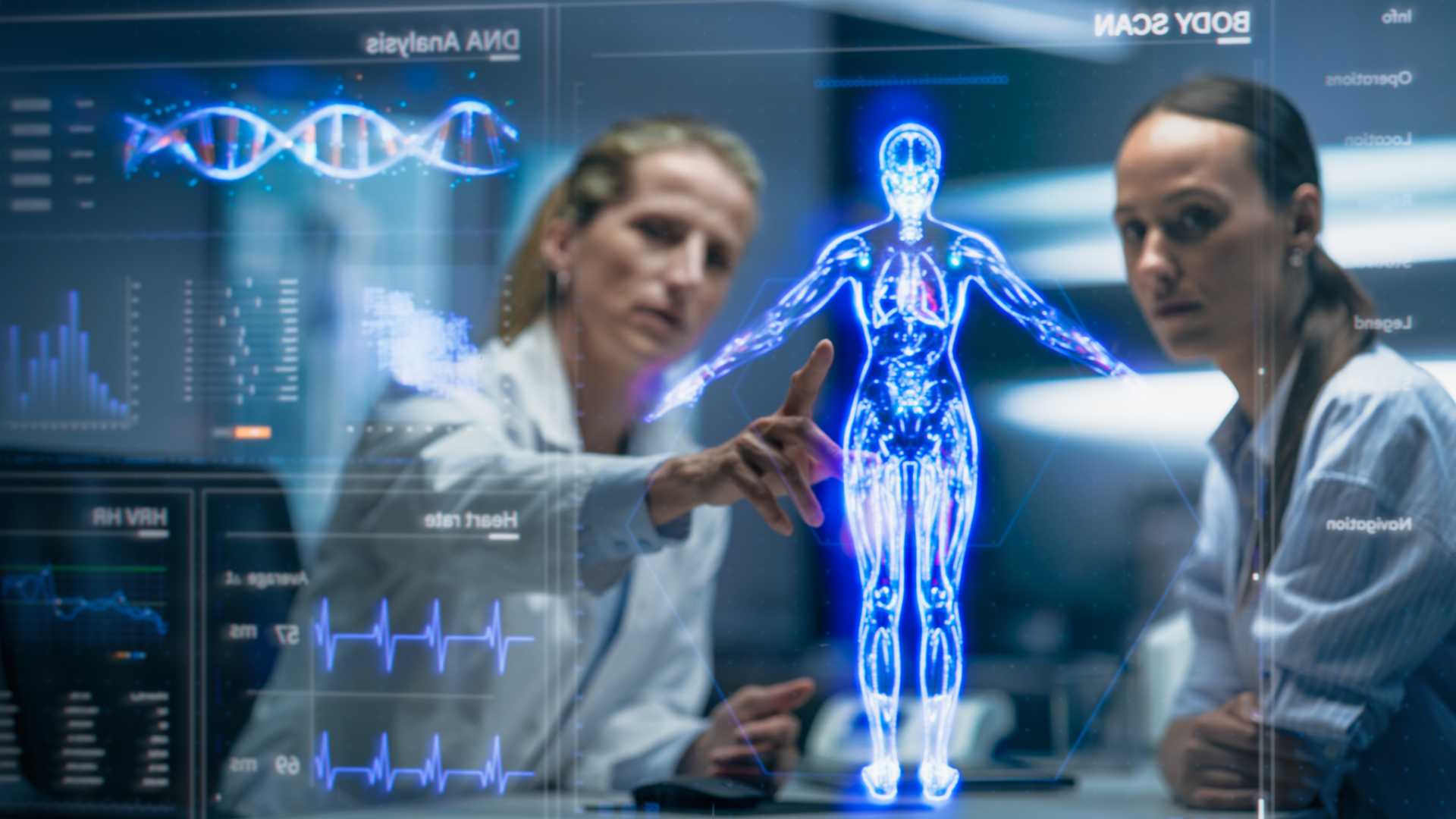
Traditional health care training is built on classroom lectures and static eLearning. While these methods worked for a time, they no longer meet the industry’s fast-paced demands. With new technologies, stricter privacy regulations and a growing need for continuous learning, health care organizations need to innovate, and fast. That’s why many are turning to artificial intelligence (AI)-powered simulations to deliver safer, more adaptive training.
Why Traditional Health Care Training Needs an Upgrade
Health care training has long relied on apprenticeships, which provided valuable hands-on experience. As educational methods have evolved to meet industry demands, current training practices include classroom lectures, static eLearning modules and in-person workshops.
However, technological advancements have rendered these approaches increasingly insufficient. These methods alone no longer keep pace with today’s medical field. Limited hands-on experiences and patient interactions may leave health care professionals struggling to translate theoretical knowledge into practical performance. Even the best training programs can fall short if the systems supporting them remain outdated.
The Role of Outdated Systems
Legacy systems compound training challenges. Because these systems are often disconnected, they make it difficult to track learner progress, ensure compliance or deliver consistent experiences. To better prepare health care workers for the field, training systems must evolve alongside clinical innovation; only then can learning keep pace with the industry it serves.
How AI is Changing Health Care Training
AI is powering smart simulations that transform health care training by providing realistic, interactive learning experiences. These tools allow learners to safely practice decision-making in a simulated environment. A few use case examples include:
- AI-powered virtual or robotic patients that exhibit symptoms and respond with personalized, real-time feedback, helping learners practice diagnosing patients and their communication skills in a real setting.
- AI-driven procedural assessments that analyze learner-patient interactions and provide targeted feedback.
- AI-generated training scenarios that adapt to a learner’s skill level and introduce realistic, complex challenges.
AI-enabled simulations support continuous, personalized learning at scale. Modernized systems also allow learning and development (L&D) professionals to track student progress in real time.
It is important to note that human oversight is essential to ensure educational standards are met.
Modernizing Health Care Training Systems
Beyond integrating smart simulations, there are various benefits in upgrading the health care industry’s digital infrastructure. Improving existing systems can allow for:
- More secure registration that maintains privacy standards.
- A centralized data management platform to store training records.
- An interoperable platform to connect all systems, including HR departments, compliance teams and training sectors.
These improvements streamline workflows and also serve as a jumping-off point for more advanced AI training ecosystems. Examples include:
- Migration from legacy databases to cloud-based solutions for better performance, storage and security measures.
- Seamless data flow between training, payroll and compliance systems.
- Leveraging real-time analytics to analyze skills gap across teams.
AI is only as effective as the systems supporting it. With proper human oversight, AI can be an asset to any health care organization, optimizing both training and workflows.
Lessons From the Finance Industry
Upgrading digital infrastructure in any organization can be a beneficial move. For example, Impak, an AI-driven fintech company, partnered with Polcode to streamline its documentation review processes. Together, they implemented an AI-powered automation to improve document analysis.
Impak saw significant results, including increased productivity and more personalized team discussions. The project also strengthened the AI’s ability to understand the complexity of its field over time. By replacing fragmented legacy systems with a streamlined architecture, Impak improved data flow and gained real-time dashboard insights.
The Outcome
With fewer manual bottlenecks, Impak processed more data, scaled operations and gained actionable intelligence for growth. The example shows how blending intelligent algorithms with updated internal systems creates value by enhancing AI tools, which in turn can improve internal processes.
What This Means for Health Care
Similarly, health care training platforms and simulations can only leverage AI effectively when supported by a robust data infrastructure and integrated systems.
Actionable Takeaways for L&D Leaders
L&D professionals can take a strategic approach to integrating AI simulations into modern healthcare training by following these steps:
- Audit Existing Systems: Interoperability is the first step toward scalable AI adoption. Assess whether your current learning management system (LMS), HR tools and compliance databases can communicate effectively with one another.
- Start With Pilot Simulations: Launch controlled AI-driven simulation programs within specific departments or training modules. Gather feedback early to refine content and user experience.
- Integrate Human Oversight: Maintain instructor involvement to interpret AI-generated data and ensure simulations reflect ethical, real-world scenarios.
- Foster Cross-Department Collaboration: Coordinate among IT, HR, compliance and medical training teams to align technical capabilities with learning objectives.
- Measure and Iterate: Use analytics to enhance program design and effectiveness on an ongoing basis. Track engagement metrics, learner performance and improvements.
These steps help L&D leaders gradually build a data-informed training ecosystem that’s resilient, scalable and aligned with health care’s evolving technology landscape.
Closing Thoughts
AI-powered simulations are redefining how health care professionals are learning. Yet the real opportunity lies in building a strong foundation of interconnected systems that can sustainably support innovation. By investing in smart simulations and more intelligent systems, health care institutions can future-proof their learning environments, ensuring that every professional receives dynamic, compliant and ready-for-the-demands-of-modern-medicine training.


