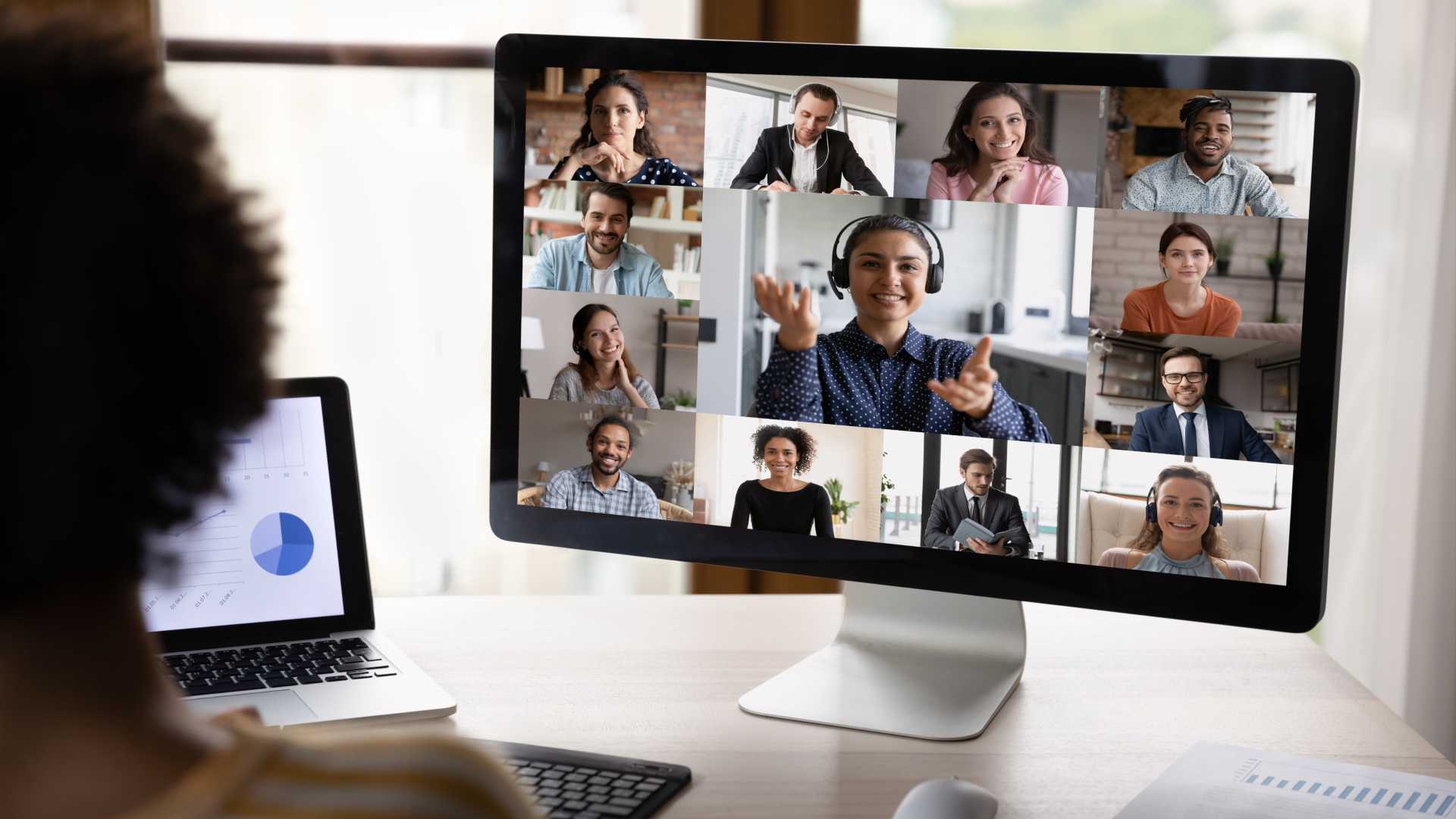
Organizations are increasingly blending asynchronous and synchronous learning methods to create dynamic, flexible and effective training experiences. By combining the self-paced benefits of learning management system (LMS) content with the interactivity of virtual instructor-led training (VILT), organizations can provide learners with a more personalized, engaging and impactful educational journey.
LMS usage is expected to skyrocket because online learning can now not only replicate and improve upon the traditional classroom but also offer capabilities and data access that were previously unavailable. This significant shift along with artificial intelligence (AI)’s ability to customize learning, provide additional resources, help reduce costs and broaden access further supports the evolution of training. Therefore, combining LMS with VILT makes a powerful and effective training tool for organizations.
Many tools and resources are available that enable learners to engage with interactive elements during and after the VILT, such as polls, quizzes, surveys and whiteboards. These tools help extend the reach of top instructors, create opportunities for absent learners to catch up and provide consistent, high-quality learning experiences regardless of time zone or location.
To fully realize the significant potential of integrating LMS content with VILT and virtual classroom delivery in training, it’s important to follow a set of best practices.
Below are six strategies that can help organizations combine asynchronous and synchronous learning for a cohesive, dynamic and effective learning experience.
1. Define Clear Learning Objectives and Outcomes
Clear learning objectives are crucial for ensuring that both asynchronous and synchronous learning components serve a specific purpose and complement each other.
- Asynchronous Learning: This format is ideal for foundational knowledge, introductory materials and self-paced activities like videos, readings and quizzes. Learners can engage with content at their own pace, building a solid understanding before attending live sessions.
- Synchronous Learning: VILT sessions provide opportunities to dive deeper into the material, engage in collaborative discussions, and apply knowledge in real-world scenarios. These sessions benefit from real-time feedback and problem-solving.
Clear objectives ensure that both asynchronous and synchronous formats work together cohesively, creating a comprehensive learning experience for the learner.
2. Create a Seamless Flow Between LMS and VILT Content
The transition between asynchronous and synchronous content should be smooth and logical. When well executed, this flow makes learning feel continuous and prevents it from feeling fragmented.
- Pretraining LMS Content: Prior to the VILT session, offer foundational materials through the LMS, such as prerecorded videos, readings or pre-assessments. This ensures learners are adequately prepared to engage during live sessions.
- Post-Session LMS Content: After a live session, follow up with quizzes, articles, discussion threads or additional resources. These materials reinforce key learnings and allow learners to explore the content in more depth.
Allowing learners to revisit recorded sessions further enhances the learning process after the fact and allows them to learn at their own pace as well.
3. Leverage Pre- and Post-VILT Measurements
Measuring the impact of training is crucial for reinforcing learning and tracking progress. It helps both learners and instructors measure understanding and identify areas that may need improvement.
- Pre-VILT Measurement: Use the LMS to assess learners’ existing knowledge. These assessments can highlight gaps, allowing instructors to adjust the content or focus of the live session to address those areas.
- Post-VILT Measurement: During the live session, offer assessments in your virtual classroom that allow learners to demonstrate how well they’ve retained the material. These can take the form of quizzes, surveys or interactive exercises that are launched during instruction, ensuring learners apply their learning.
By combining both pre- and post-VILT measurement capabilities and touch points, learners are offered continuous opportunities to engage with and reinforce the material, helping them retain what they’ve learned over time.
4. Encourage Interactivity and Collaboration Across Both Formats
Engagement is key to ensuring learners retain and apply knowledge. By integrating interactive elements into both asynchronous and synchronous learning, organizations can foster deeper learning experiences.
- Asynchronous Collaboration: Use tools within the LMS, such as discussion forums, group projects and peer collaboration spaces, to promote interaction among learners. These platforms encourage learners to share insights, ask questions and delve deeper into the content at their own pace.
- Synchronous Interaction: During live sessions, instructors can use virtual classroom tools to introduce polls, Q&A, enhanced breakout rooms, and hands-on activities to keep learners engaged and encourage real-time collaboration.
5. Incorporate Microlearning Strategies
Microlearning refers to brief, focused learning segments that break down complex topics into smaller, digestible pieces. Integrating microlearning into both LMS and VILT formats can enhance retention and prevent cognitive overload.
- Microlearning in an LMS: Offer quick, focused modules or videos that learners can access between live sessions, allowing them to reinforce key concepts.
- Microlearning in VILT: Break down live sessions into smaller, more manageable chunks of content. This helps learners process information in bite-sized portions, improving understanding and retention.
6. Use Learning Analytics to Personalize the Learning Experience
Both LMS platforms and VILT tools offer valuable data that can be used to personalize learning. By tracking learner progress and analyzing engagement, instructors can adjust the content or pace of the course to meet the individual needs of learners.
- Microlearning: Use learner performance data to track progress, identify knowledge gaps and understand engagement levels.
- VILT Feedback: Gather real-time feedback from learners during and after the live session to assess their understanding and refine future sessions.
By combining data from both LMS and VILT tools, instructors can personalize the learning experience to meet each learner’s specific needs.
Conclusion
Integrating LMS content with VILT and virtual classroom delivery creates a powerful, flexible learning environment for training programs. By combining the benefits of asynchronous learning with the interactivity and real-time feedback of synchronous sessions, organizations can offer an engaging, effective and learner-centric approach to training.
By leveraging the right tools, defining clear learning objectives, and fostering interactivity, organizations can create a rich learning experience that meets the needs of today’s diverse learners.