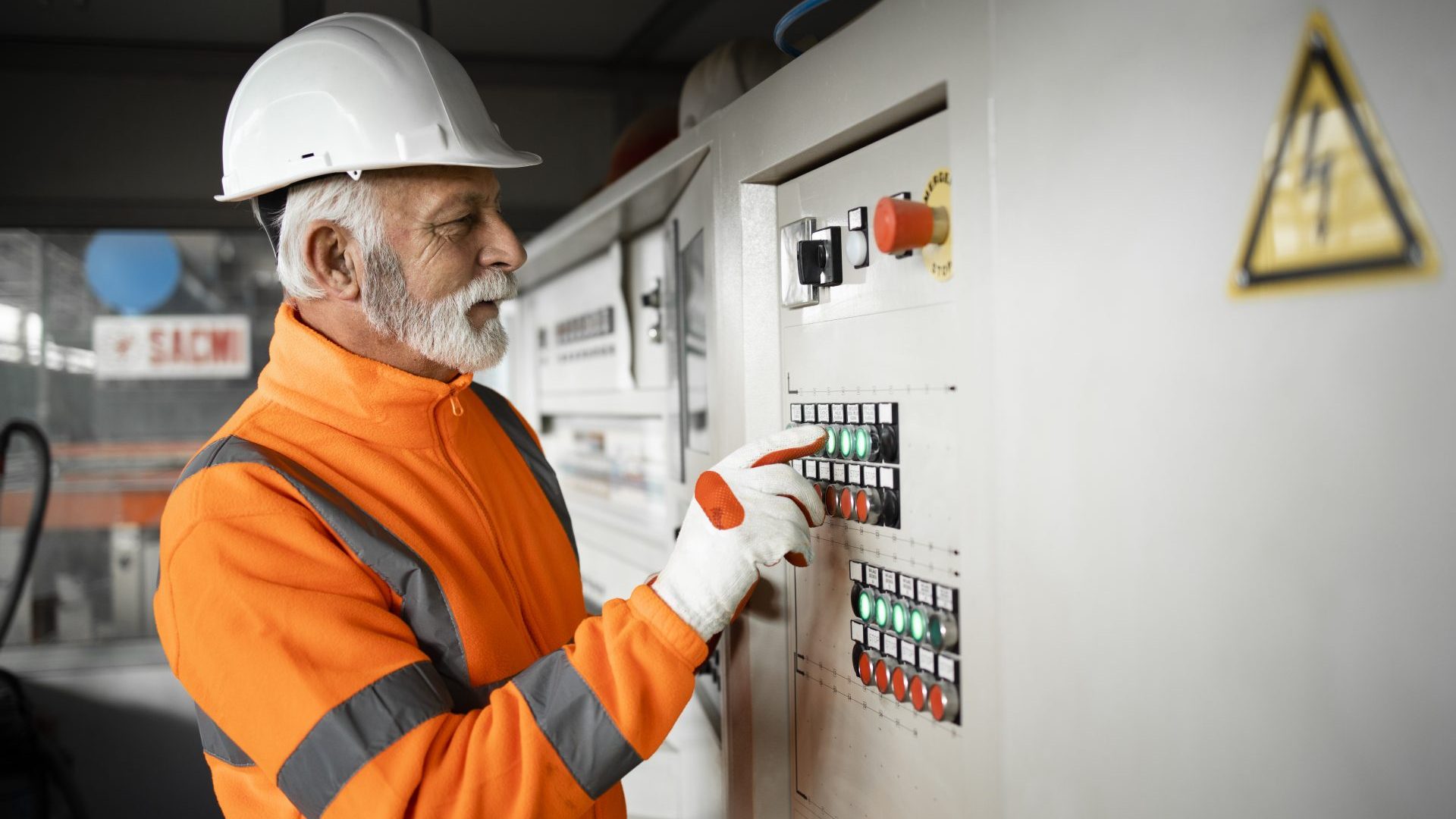
Every year, thousands of preventable workplace injuries occur because of a seemingly simple oversight: improper workwear. While companies invest heavily in equipment training and safety protocols, the basic protection that starts with what workers wear often gets overlooked. A mismatched boot or worn-out glove can mean the difference between a routine task and a life-altering accident.
This guide equips human resources (HR) managers and safety trainers with a comprehensive approach to workwear safety — from selecting appropriate gear to implementing effective training programs. By integrating proper workwear protocols into your safety culture, you’re not just protecting your workers; you’re building a foundation of confidence, compliance, and workplace excellence.
Tips to Selecting the Right Safety Workwear
Choosing the right workwear takes more than matching uniforms to roles. Safety trainers and HR managers must assess certain factors to ensure an all-rounded approach. This can ensure workwear meets safety, comfort and environmental standards. Here are four tips to consider when selecting workwear for your front-line team:
1. Evaluating the workplace and risks particular to each job.
Every workplace has its own set of risks. For example, workers in manufacturing must wear flame-resistant (FR) apparel to prevent burns. Those near machinery might need tear-resistant textiles to avoid entanglement.
High-visibility clothing is vital in all high-traffic areas as it indicates the presence of operators and workers on sites. These also come in handy in low light or extreme weather conditions. In such settings, gear with reflective strips or bright colors can help enhance visibility.
2. Durability of materials and comfort of employees.
Employees should be able to move freely and be comfortable in varying temperatures. The materials must be durable, breathable, comfortable and protective against all weather conditions. Examples of solid and flexible fabrics include canvas and cotton-polyester blends.
3. Observing industry safety regulations.
When picking workwear, it’s crucial to follow safety rules for protection. Industries like manufacturing, healthcare, and construction have specific requirements. Take, for instance, a paint or chemical handling facility. This one will also require its workers to have protective breathing gear like gas masks.
Agencies such as Occupational Safety and Health Administration (OSHA) set these rules and keep the companies on their feet by ensuring workwear facilitators meet these standards. Apparel made in America can help employers meet the requirements.
4. Ensuring safety equipment is the right size and fit.
While this might be overlooked, workwear fitting is also important. Workwear that is too small limits mobility and can cause discomfort and accidents. Oversized ones may cause entanglements and tripping, leading to work-related injuries.
Therefore, various sizes and adjustable fits should be provided to enable workers to complete their jobs safely. Add adjustable features like drawstrings, Velcro closures, buckles and clips. Alternatively, offer customized uniforms when a worker reports.
How Safety Training Can Include Workwear
Safety training programs must include workwear. Staff must know its function and purpose to enhance its efficacy. Trainers can use workwear in training sessions by:
Including a full review of the work gear.
Within the training sessions, management should offer the staff a pictorial view of the workplace gear, and it should be well-labeled. This presentation should include the function of each piece and how to properly wear it. It should also include detailed guidelines to approach any issue, such as contamination.
Giving detailed instructions for cleaning and maintenance.
Next should be a training session on caring for this gear to preserve its protective qualities. For example, you need specific laundry instructions to keep flame-resistant (FR) materials intact. Precise instructions on cleaning and storing work clothes will protect them and ensure ongoing protection for workers. Ideally, offer the cleaning services yourself to eradicate any worker going against the rules.
Encouraging frequent checks for wear and damage.
Staff should also be trained to check their work clothes for wear and tear. Here, they pay close attention to tearing, fading, or thinning material. If they find any of the above, employees should report worn goods for repair or replacement.
Tips for appropriate storage and disposal.
Proper storage is paramount for extending the life of workwear. So, educate your staff to store work clothes in dry, clean places. Harsh chemicals and sunlight can damage some materials. You should offer well-ventilated storage spaces within the facility to promote workwear longevity. Training on proper and sustainable disposal of toxic or non-recyclable gear like masks is also a must. Bins for this job should also be included.
Creating a Safety Culture by Raising Awareness of Workwear Training
Workwear training provides a visual and material reminder of the significance of workplace safety. Educating staff on proper work attire fosters a safety culture. It encourages them to take accountability for their own and each other’s safety. This can help your workforce:
Develop responsibility and accountability.
With workwear training, your workers will fully understand that it is their duty and legal need to wear and care for their protective gear. They will also develop a culture of accountability for taking care of the gear. Instead of relying on the company to keep them safe, they do so by wearing suitable workwear.
Building a culture of cooperation and shared accountability.
Safety is a team effort. Safety training sessions can promote team exercises about workwear. They can encourage employees to look out for one another and develop good habits. Employees support a safety culture by reminding each other to wear their gear and report defects.
Making use of visual reminders at work.
Visual cues around the facility, like signs or posters, can reinforce safety procedures. Placement in break rooms or near entryways serves as nudges. Additionally, having a department and a few staff members oversee staff uniforms helps.
Employee Empowerment Via Workwear Training
Practical workwear training boosts confidence and creates a safe environment. It can enable staff to perform at their best by:
- Increasing self-belief in risky situations. Knowing how their equipment protects them helps employees focus better on work and reduce accident risks.
- Empowering team accountability by raising awareness of workwear. Since the training is centered on a team-based safety approach, employees care for their coworkers and themselves. The workforce may become more unified and safety-conscious, upholding safety regulations.
- Promoting a continuous learning mindset. When new protection technology and safety requirements emerge, they are the first to suggest an implementation. This way, your own team keeps workwear and safety knowledge up to date.
Bottom Line
Safety is always a collective initiative. Workwear training facilitates this, ensuring everyone on your team is well protected. When employees see the value of workwear, they take responsibility for their own safety. This, in turn, creates a safer, more cohesive workplace.