
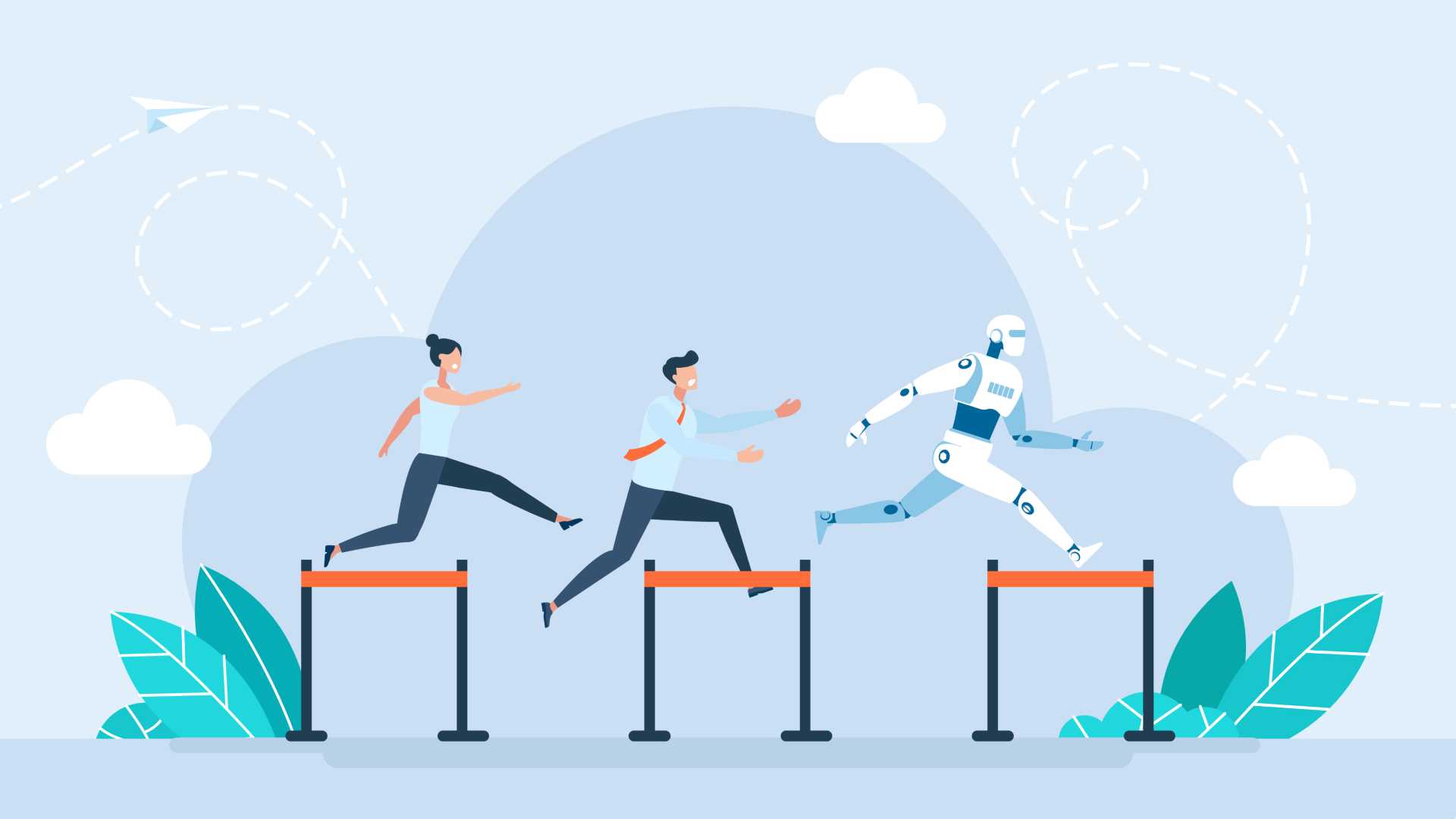
When artificial intelligence (AI) tools became largely mainstream in the workplace, many companies quickly joined the bandwagon, expecting streamlined workloads and higher employee productivity.
While it achieved these objectives to some extent, the pressure to upskill and adapt to AI tools has also accelerated the risk of burnout.
As organizations embrace AI solutions, providing comprehensive training is key to ensuring employees’ well-being and job satisfaction.
Unpacking the Biggest AI-Related Stressors in the Workplace
A recent employee experience survey found that 45% of workers using AI frequently are likely to experience high burnout, compared to 35% who never use AI. There are several culprits behind this situation.
Amplified job demands:
Many employers erroneously assume that integrating AI into workflows frees up workers’ time to focus on other tasks. In reality, AI’s swift integration has thrown employees into a whirlwind of adapting to novel tools and processes. Consequently, they feel more stressed and edge closer to burnout.
Control slipping away:
The persistent presence of AI can reduce employees’ autonomy, leaving them feeling powerless as language learning models dictate decision-making processes.
Work overload:
AI’s efficiency can often translate to more work as teams try to keep pace with automated processes. According to Upwork’s knowledge workers survey, 77% of employees felt AI added to their workload and reduced their work rate. Nearly one-half of the respondents also said they didn’t know how to achieve the productivity gains expected by their employers.
Monotony creep:
While effective, automating repetitive tasks through AI tools can breed monotony, draining employees of motivation and satisfaction. As they face a robotic routine lacking human connection, teams may feel bored with their work, eroding job satisfaction.
Job displacement uncertainty:
Anxiety looms large for many workers as the fear of losing their jobs to AI systems remains rampant. This concern isn’t misplaced. After all, AI’s automation features directly impacted nearly 4,000 jobs in May 2023, fostering unease among employees.
The Role of Training in Mitigating Employee Burnout
Amid the rising concerns of AI burnout in the workplace, the imperative of training and development becomes more pronounced. Empowering workers through hands-on learning provides several distinct benefits.
Enhancing understanding and acceptance:
Tailored training programs can cultivate a deeper understanding of AI technologies among employees, fostering acceptance and confidence in leveraging these tools effectively. For example, conducting workshops that showcase real-world examples of successful AI integration in similar industries can demystify AI and highlight its practical benefits.
Fostering a growth mindset:
Encouraging a growth culture through training can empower employees to view challenges as opportunities for learning and development rather than obstacles. Targeted learning programs can instill a mindset that values experimentation and innovation, nurturing employees’ confidence in navigating AI burnout issues.
Boosting well-being:
Training programs can also include specialized guidance on practical coping strategies. For instance, mindfulness training is a proven method for staying sane in stressful situations, including those perpetrated by AI burnout. Providing access to mental health resources as part of AI training initiatives can also help employees cope with the pressures of technological change.
Continuous learning for resilience:
AI is evolving rapidly, emphasizing the need for employees to stay abreast of advancements and innovations. Embracing a culture of continuous learning is fundamental to meeting this goal and instilling adaptability in the face of change. Many successful organizations, including Amazon and PwC, recognize the importance of this initiative, offering extensive training programs to upskill and reskill employees in AI-related domains.
How to Implement Effective AI Training
Adopting a strategic approach that resonates with your organization’s unique needs is key to tailoring AI training initiatives for success. Some best practices for achieving this goal include offering:
- Personalized Learning Experiences: Individualized training programs cater to employees’ diverse needs and skill levels, ensuring relevance and effectiveness. When people learn at their own pace, they’re more likely to retain the information and engage with AI tools confidently.
- Hands-On Immersion: Providing opportunities for employees to apply their learning in real-world scenarios reinforces their mastery of AI concepts. This approach may help make using AI tools less monotonous and foster proficiency in utilizing these automation systems to boost productivity.
- Engagement Through Relevance: Training content must be relevant, relatable and aligned with specific job roles. For organizations, this means offering a variety learning offerings rather than employing a one-size-fits-all approach. Employees are more likely to feel engaged and motivated when their training helps improve their job performance.
- Continuous Reinforcement: Implementing continuous learning through refresher courses, workshops and peer learning sessions is vital for sustaining retention. As workers become more proficient, they can train others to further cement their AI workplace skills.
Management must also play its part in nurturing a supportive learning environment. Supervisors and team leaders should serve as role models in championing the adoption of AI technologies and creating a culture of resilience. They’re also responsible for monitoring employee workload during AI training to prevent burnout and ensure a healthy work-life balance.
Combat Debilitating AI Burnout in the Workplace
As AI tools and systems become increasingly ubiquitous, employers must integrate effective training to combat AI burnout and foster a positive work environment. Providing the right learning opportunities and encouraging practical experience prevents AI fatigue and enables teams to better handle the transition to automated processes and workflows.


