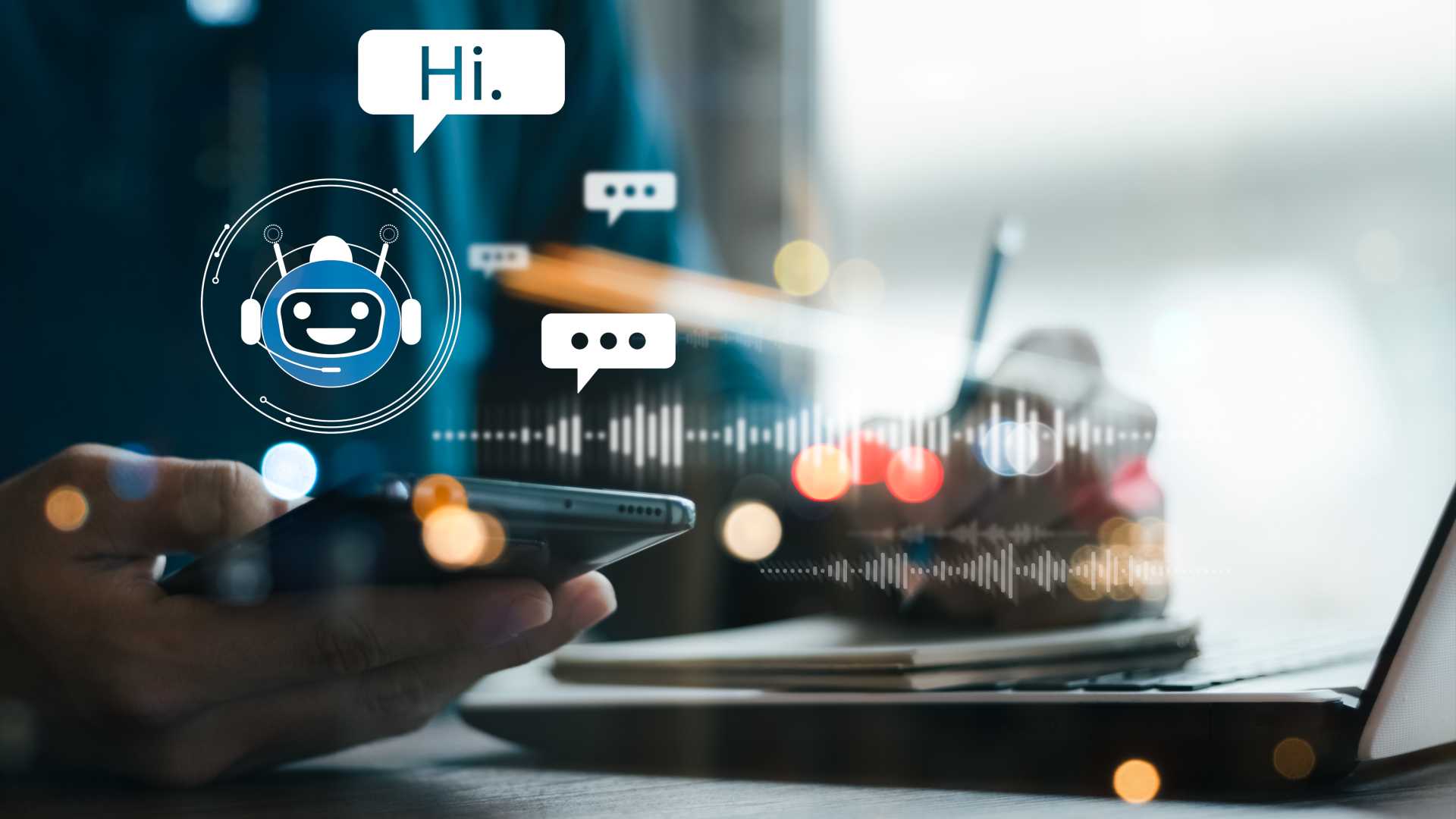
In the evolving landscape of learning and development (L&D), the shift to digital mediums has been seismic. Yet, amidst this digital transformation, the essence of human touch remains indispensable.
Consider this: A staggering 83% of organizations aspire to cultivate a people-centric culture, with 81% of L&D departments spearheading this initiative.
“Tell me and I forget, teach me and I may remember, involve me and I learn.” This well-known quote echoes the urgent need for engaging educational experiences. Especially in today’s faster-than-ever corporate realm.
With 45% of full-time employees in the U.S. working at least partly remotely, learning professionals must continue to find ways to ensure learning reaches all employees, regardless of their location. Therein lies the central challenge, with artificial intelligence (AI)-generated voice-overs as the proposed solution. Beyond a technological advancement, AI-generated voice-overs are a strategic tool for L&D professionals grappling with the need for extensive digital content.
New to this technology? Let’s run through how implementing this AI solution could look for your organization.
The Role of AI in Modern eLearning
In the age of a dispersed workforce, the need for effective virtual training methods is more important than ever.
This heightened relevance is driven by a critical obstacle. An overwhelming 93% of organizations are concerned about employee retention issues, and they are increasingly turning to learning opportunities as a pivotal strategy to address this. Here, AI emerges as a skillful architect, adeptly integrating various elements of eLearning to forge more cohesive and captivating educational materials.
And fortunately for L&D professionals, using AI for voice-overs vastly eases the content creation process. You simply input a script, choose from a myriad of voices, fine-tune the details and voila — your audio file is ready in minutes. This seamless process opens a world of possibilities for instructors and course creators, allowing them to easily infuse life into their digital content.
It’s also worth recognizing the vast diversity in the realm of eLearning voice-overs. For one, they encompass both educational and corporate domains. Educational voiceovers resonate through YouTube videos, audiobooks and online university courses, requiring a voice that’s authoritative yet welcoming.
On the flip side, corporate voice-overs cater to user manuals, training modules and presentations. Here, a voice that strikes the perfect balance between professionalism, informality and persuasiveness is key, especially for onboarding new hires or aiding in professional development.
In onboarding, AI voice-overs can establish both an engaging and efficient process. Audio content, being inherently social, bypasses the decoding process of reading. It offers the same level of comprehension as reading, but with the added nuances of pacing, pitch and rhythm, bringing a story to life. Additionally, sound stimulates the brain and activates various sensory pathways, forming a more memorable experience.
Boosting Content Production With AI Voices
AI voice-overs offer a blend of versatility and speed, two absolutely crucial elements today. They support internal mobility by catering to various learning preferences, enhancing learning experiences by making them more immersive and memorable. Investing in employee skills development and career progression can boost employee retention.
More broadly, AI-generated voices are redefining storytelling in eLearning. For instance, by leveraging a text to speech API, a learning module can adapt its narrative style to the listener’s mood or environment, enhancing the personalization and effectiveness of the learning experience. They allow creators to experiment with a range of voices, emotions and accents, which was previously unattainable with traditional methods. For instance, a learning module can adapt its narrative style to the listener’s mood or environment. Similarly, you can create training modules where the AI voice-over adapts its tone and style based on the learner’s responses.
AI voice-overs are also a strong force in leadership training and soft skills training, accommodating various learning preferences. They assist in decision-making by providing data-driven insights and creating scenarios that mimic real-life challenges.
Conclusion: Your Voice, Your Way
AI-generated voice-overs represent a groundbreaking shift in the realm of eLearning, bridging the gap between digital transformation and the human element essential for engaging and effective learning. Simultaneously, this technological innovation also enriches the learning experience for individuals across the board.
By leveraging the versatility, speed and emotional range of AI voices, organizations are equipped to meet the burgeoning demand for digital content, fostering a more inclusive, dynamic and retention-friendly learning environment. The ability to customize voice-overs to suit various educational and corporate needs underscores the potential of AI to transform both how content is delivered as well as how it’s received and retained by learners.
As we step into the future, it’s evident that AI-generated voice-overs are not merely a tool for enhancing eLearning, but a catalyst for transforming corporate learning methodologies and strategies. With the capacity to support diverse learning preferences, enhance retention and simulate real-world scenarios, AI voice-overs stand at the forefront of educational evolution.
Embracing this technology means not just keeping pace with digital transformation, but leading the charge in creating a more adaptive, immersive and effective learning landscape for all.